EN
EN

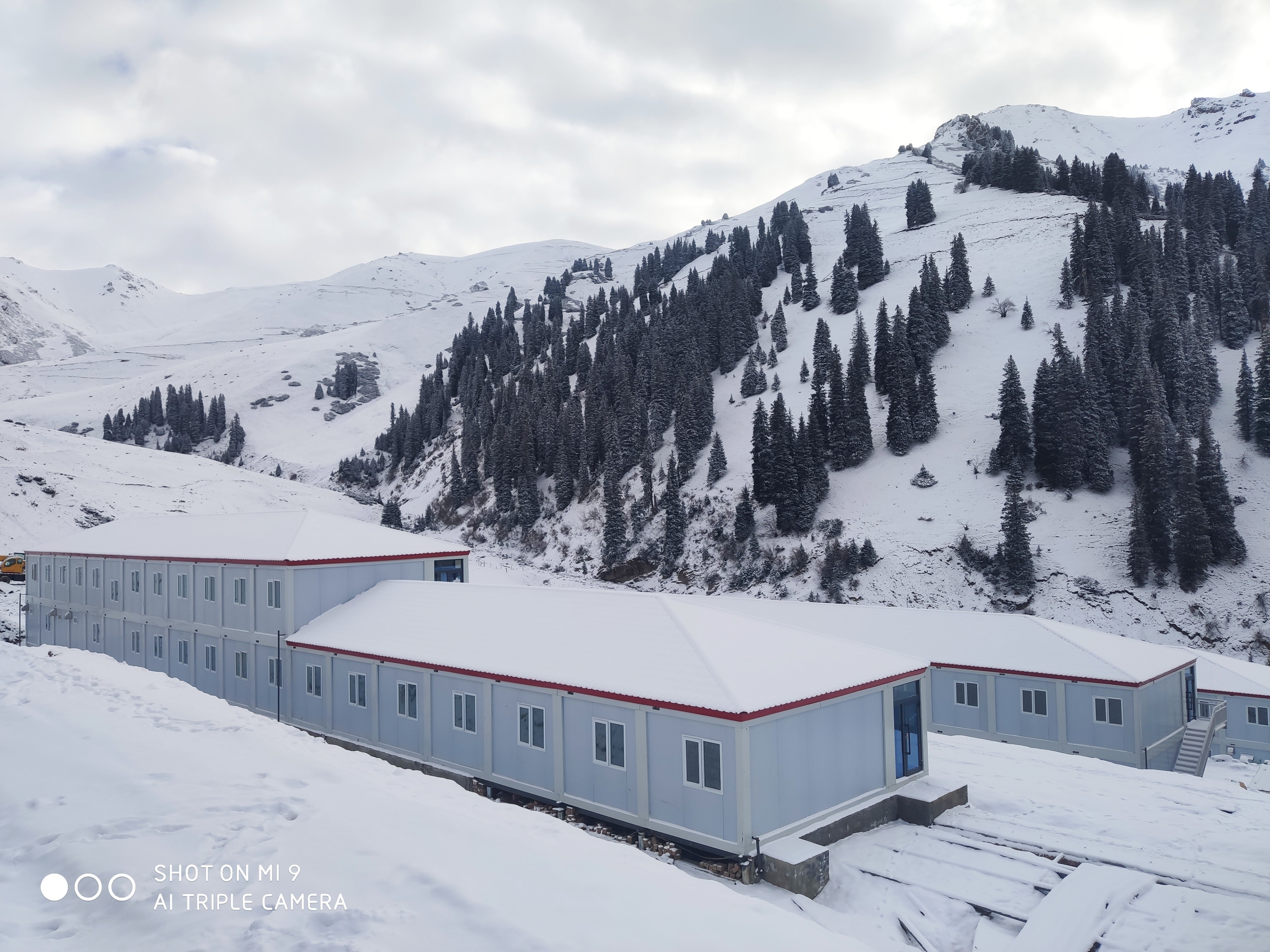
Temperate, benign habitats are usually not known to support mining operations. Rather, they push into the world's most extreme extremes: scorching, dusty deserts of Africa and Australia, permafrost areas of Siberia and Northern Canada, and oxygen-poor stormy highlands in the Andes. These never-ending environments cannot be considered a quick-fix afterthought for workforce accommodation. It has to be a structure that is resilient, that is a strong, comfortable and stable building that protects workers from the worst effects of the elements and keeps in working order for many years. This is precisely what CDPH (HAINAN) COMPANY LIMITED has gained its reputation around the world. In 100 countries, we have designed our modular homes to withstand, and even flourish, in the harshest environments. Each camp we provide is a benchmark for durability and sustainability thanks to our commitment to quality, innovation and green, low carbon principles.
Engineered Insulation Systems for Thermal Extremes
Thermal regulation is the most basic issue when it comes to housing workers in extreme climates. In the coldest weather, poor insulation can cause pipes to freeze, triple digit heating bills, and the threat of hypothermia. Poor thermal performance means that sleeping quarters are oven-like in desert climates. CDPH does this with advanced, multi-layered insulation systems in our Modular House and Prefab House products. We use high density polyurethane foam or rock wool insulation between strong steel panels and get R values which far exceed those normally required by the industry. Thermal bridging, a weak spot in many buildings, is eliminated in our wall and roof assemblies by using special connectors and sealing systems. The precision engineering helps to maintain comfortable and temperature stable interiors, significantly cutting down energy consumption for heating or cooling. For a client in the Mongolian steppe or in the Empty Quarter in Saudi Arabia, it means an inside climate that is safe and comfortable despite the turmoil outside.
Corrosion-Resistant Materials and Protective Coatings
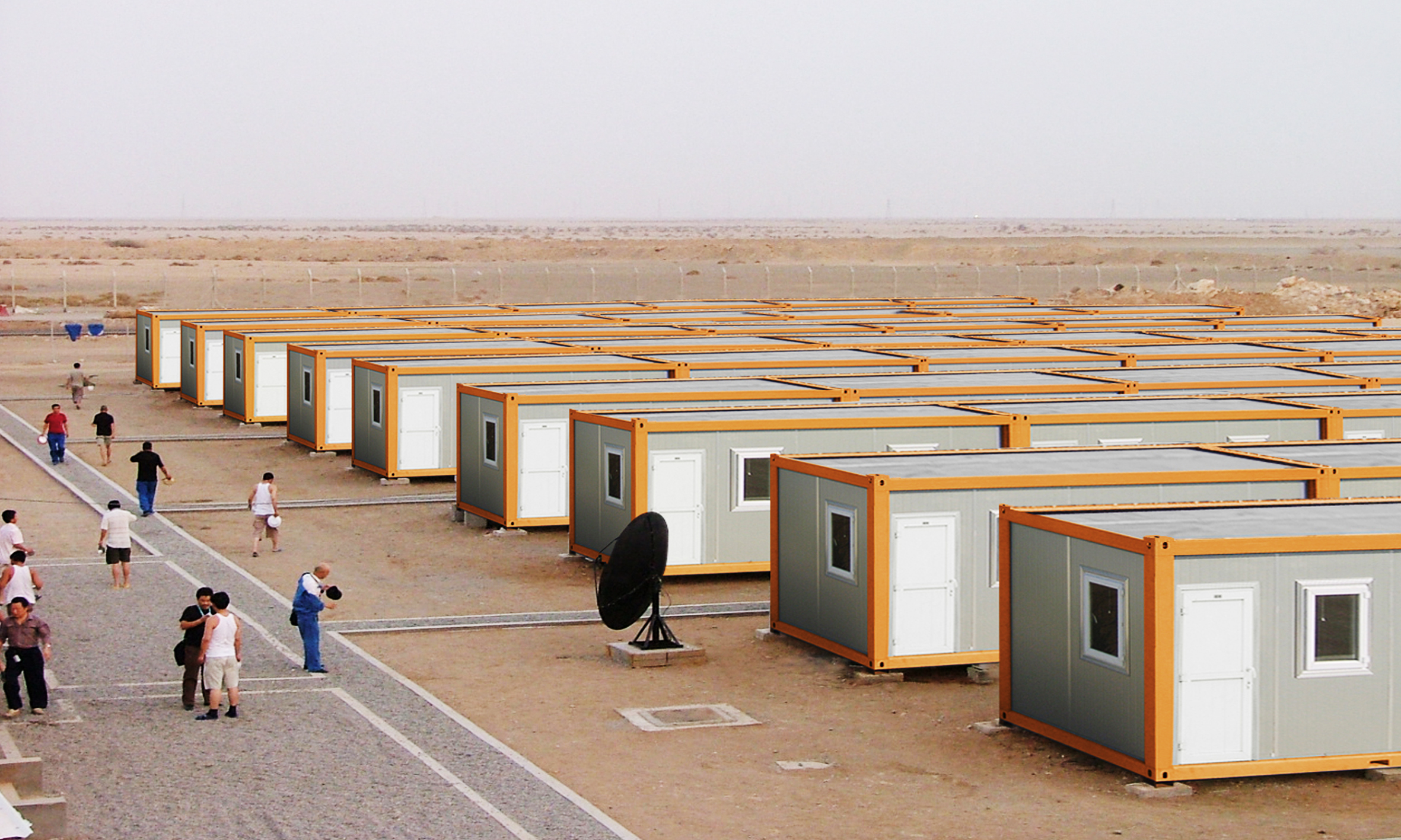
In addition to temperature, mining and remote areas are especially corrosive. In coastal and desert mining areas, salt spray in the air can easily corrode common building materials, while in humid tropical climates, heavy moisture can quickly cause the deterioration of common building materials. Our Steel Structure systems and Exterior Cladding have been designed to withstand this attack. As the base material, we use high-grade galvanized steel that has been heavily coated with zinc, and then use other protective coatings such as advanced polyester or PVDF (polyvinylidene fluoride) paint systems. These coatings offer enhanced resistance to chalking, fading, and corrosion, ensuring the buildings maintain their structural strength and visual appeal over their lifespan. In addition, all fasteners, hinges and connection points are made from stainless steel or other corrosion resistant materials to prevent localized rust failure. Such requirements for material science also mean that our mining housing does not need to be replaced prematurely, does not require premature replacement or constant maintenance of exposure to aggressive environmental agents, thus avoiding high costs.
High Wind and Seismic Load Structural Engineering
Extreme climate areas are also those of high geological and meteorological activity. Coastal areas at risk from cyclones and fault lines that are prone to earthquakes require buildings that can withstand tremendous lateral forces. CDPH isn't just building code compliant – we often build our modules with code in mind but exceeding it! Our Steel Structure frames feature moment resisting connections and cross bracing systems that effectively transmit wind and seismic loads to the foundation. Stress points are simulated with finite element analysis (FEA) and member sizing is optimized during the design phase. The outcome is a building system which is never flexible and never collapses even when the wind speed is more than 250 kilometers per hour in the cyclone or even during heavy earthquakes. In fact, the modularity of our building adds to its functionality here, because of its multiple interconnected modules, which form a single, redundant structural system, with good energy dissipation. This engineering care provides the peace of mind to the operators of the mines, that their employees are not only protected from the weather, but also from the most violent forces of nature.
Snow Load Capacity and Waterproofing for Wet Climates
Snow accumulation is an important design criterion at high elevations or northern mining areas. Snow load from heavy, wet snow can be enough to cause structural failure in poorly designed roofs, resulting in potentially devastating safety risks and project delays. CDPH's unit roofs are designed with steep pitches and reinforced purlin systems that meet the snow loads imposed by the region, which can be as high as 500kg/m2. We also use full waterproofing and drainage measures such as the seamless EPDM (ethylene propylene diene monomer) rubber roofing membranes, and integrated gutter systems that provide efficient drainage of meltwater from the structure. In permafrost conditions, our foundation designs feature ventilation systems that help mitigate thawing of the permafrost under the structure and minimize differential settlement. Our airtight construction techniques and vapor barriers help our buildings perform properly in consistently wet or humid environments, effectively controlling condensation and humidity, which helps to ward off mold and rot. These specialized features provide a way to keep CDPH mining camps dry, warm and structurally sound even when they are covered by snow or saturated by tropical downpour.
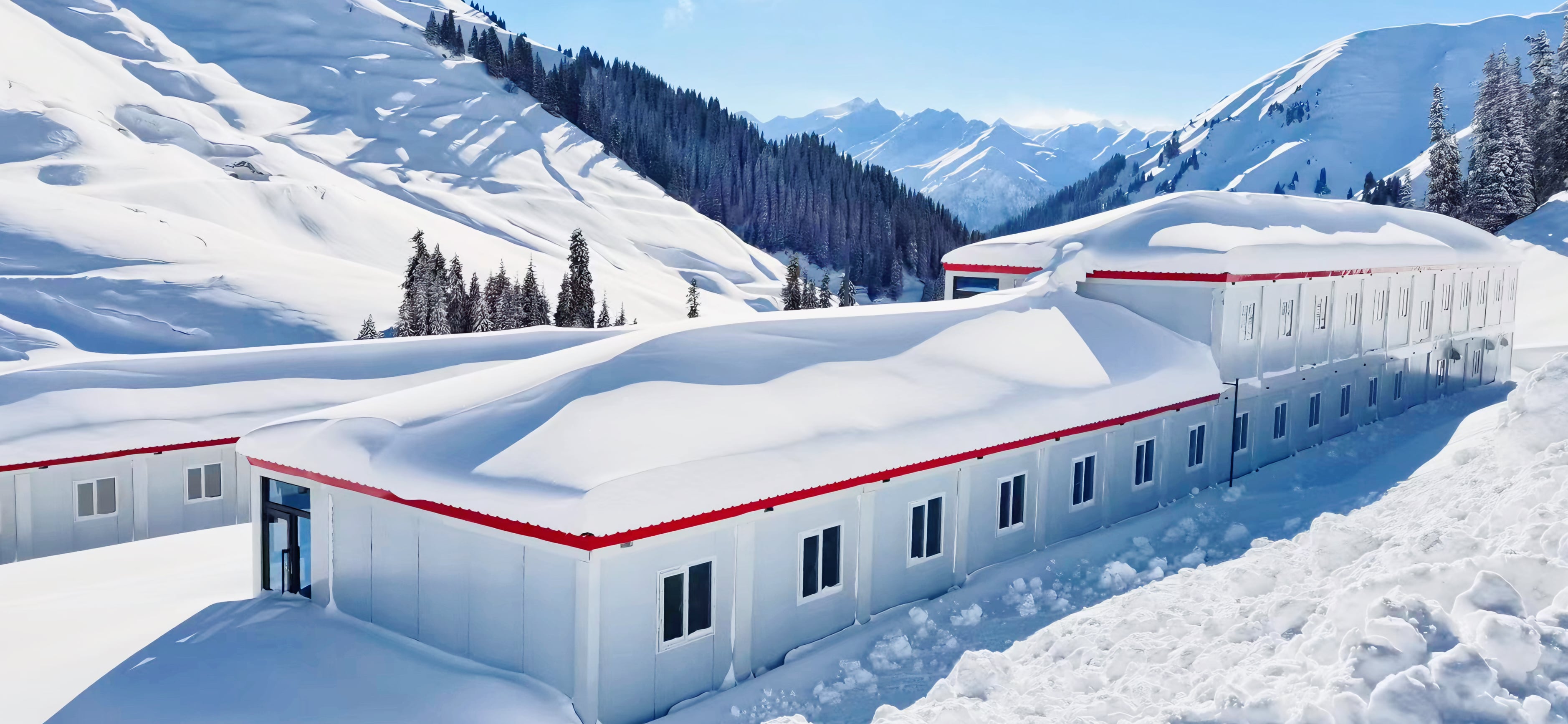
To conclude, CDPH's global network of 13 subsidiaries and 3 production bases enables us to offer these powerful climate solutions in an exceptionally efficient manner. We can provide a one-stop integrated service from design according to the characteristics of your site to manufacturing and quick installation. In a hostile neighborhood, count on CDPH to construct buildings that are undeniable.